






Revolutionizing Consumption: Exploring the World of Digital Products
Here is the polished, publication-ready version of your article. All placeholder text has been removed, and the content has been refined for clarity, flow, and professionalism while preserving your original structure and Markdown formatting.
—
In today’s digital age, the rise of e-commerce has paved the way for a flourishing market of digital products. From software applications to online courses, digital products have become an integral part of our daily lives. In this article, we delve into the world of digital products, exploring what they are, their benefits, and how they have revolutionized the way we consume and interact with products and services.

What Are Digital Products?
Digital products are intangible goods or services that are delivered electronically over the internet. Unlike physical products, digital products exist in a virtual form and can be downloaded, accessed, or consumed online. Common examples include e-books, software applications, music and video downloads, online courses, and digital artwork.
Benefits of Digital Products
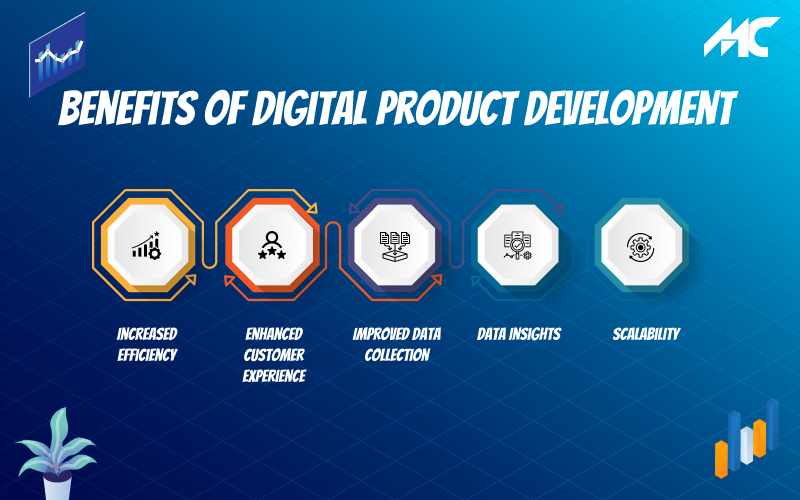
Digital products offer significant advantages for both consumers and producers. For consumers, they provide instant access to content without the need for physical storage or shipping. They are convenient, cost-effective, and easily accessible from anywhere with an internet connection. Digital products also allow for customization and personalization, catering to individual preferences and needs.
For producers, digital products offer scalability and global reach. Unlike traditional physical goods, digital products can be replicated and distributed at minimal cost, enabling unlimited growth potential. Additionally, digital products generate valuable data insights, allowing producers to analyze consumer behavior, preferences, and trends in order to optimize their offerings.
How Digital Products Have Transformed Industries
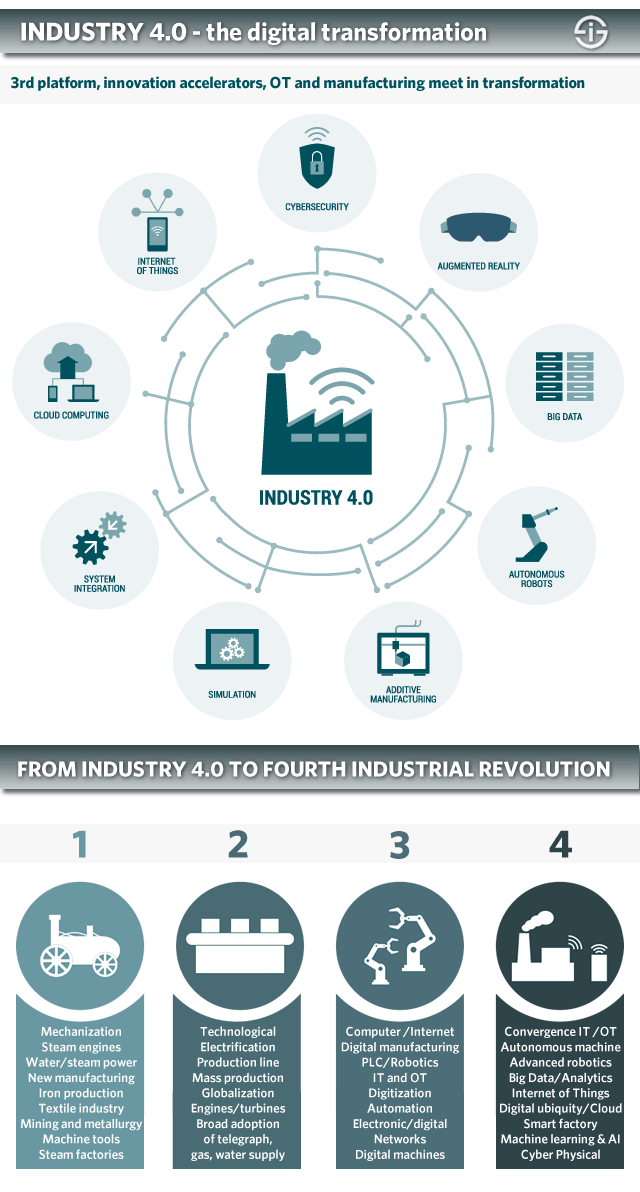
The advent of digital products has transformed numerous industries, disrupting traditional business models and creating new opportunities for innovation. In the entertainment industry, digital music and video streaming services have revolutionized the way we consume media, leading to a decline in physical media sales. In the education sector, online learning platforms and digital courses have democratized access to education, making learning more accessible and affordable for students worldwide.
In the software industry, the shift toward Software as a Service (SaaS) models has enabled companies to offer subscription-based solutions, providing continuous updates and support to users. Digital products have also reshaped the publishing industry, with e-books and digital magazines becoming increasingly popular among readers who prefer the convenience of digital reading over traditional print publications.
Conclusion
In conclusion, digital products have become an integral part of our digital economy, offering consumers convenience, customization, and instant access to content. Producers benefit from the scalability, global reach, and data insights that digital products provide, driving innovation and growth across various industries. As technology continues to evolve, the market for digital products will only continue to expand, shaping the way we consume and interact with products and services in the digital age.